A conversation with the City of Nijmegen and the Vierdaagsefeesten Foundation about how the Safesight platform gives a boost to collaboration on crowd management.
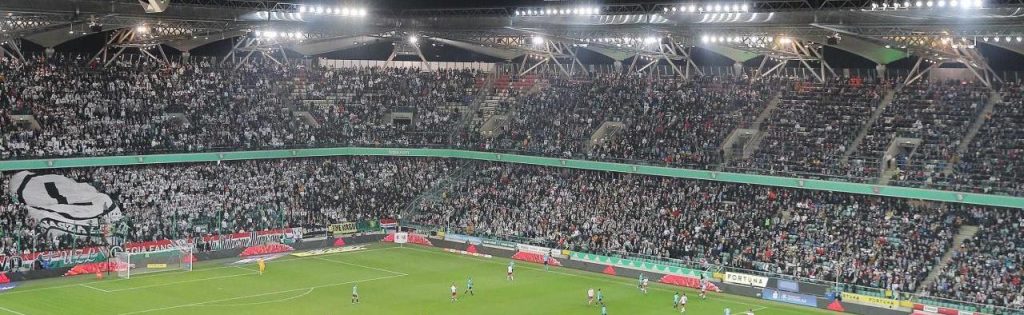
With 1.5 million visitors in seven days, the Vierdaagsefeesten is one of the largest free-entry festivals in Europe. During the festival – which runs alongside the famous Four Days Marches – Nijmegen turns into a huge event site with more than 40 stages and event locations. That naturally calls for a professional safety organisation that constantly adapts to the challenges such an event brings.
Crowd management requires optimal collaboration
For seven days, the entire city is an event area. The Vierdaagsefeesten Foundation is responsible for the events in the squares, parks and stages, and the municipality for all the spaces in between (zone Ex).
Rowin van Wijhe (Event Permits Coordinator at the City of Nijmegen and chair of the new Crowd Control Room): “One of the biggest risks at the Vierdaagsefeesten is that certain places in the city become too crowded – both at the event locations and in the areas in between.” Keeping those crowds manageable requires optimal, integrated collaboration between all the services involved: the police, the safety region, the municipal control room, the Dutch railways (NS), the Vierdaagsefeesten Foundation and the City of Nijmegen. “And, of course, the local organisers,” says Van Wijhe.
Joris Bouwmeister (director of the Vierdaagsefeesten Foundation): “At more than 40 locations, a local organiser runs their own event – complete with their own stage, programme, bars, security and first aid. As the Foundation, we have overall responsibility, including for managing crowds and safety at those locations. That obviously isn’t possible without good collaboration with those local parties.”

The Crowd Control Room: all expertise in one room
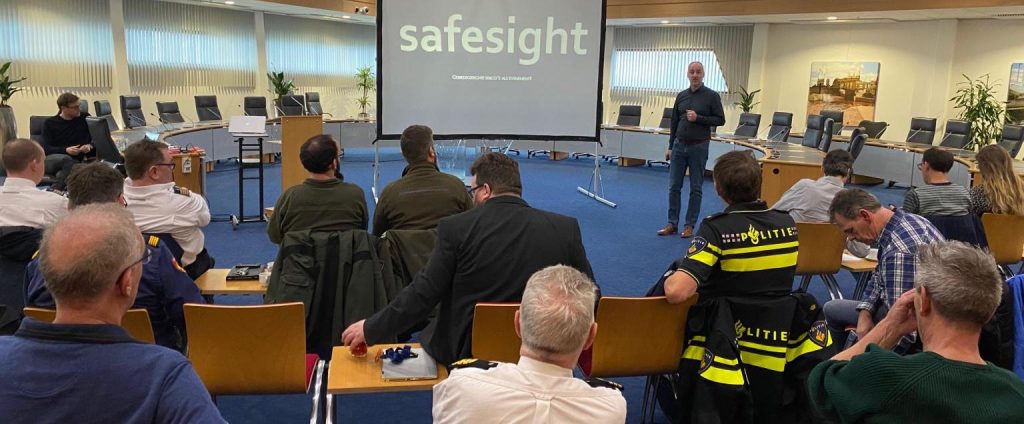
Van Wijhe: “To be able to manage visitor flows better this year, we brought all the experts involved – with knowledge of the situation and knowledge of the city – together physically in one room: the Crowd Control Room (CCR). From the CCR, we were in the best position to monitor the crowd picture together in real time and, based on a shared picture, take measures immediately if needed.”
Simone de Blauw (Event Farm) represented the Foundation in the CCR and, during the preparation, led the conversation about crowd management with the local organisers. “For them, communication about crowding was an important topic. They don’t always know the current situation at the other locations. So it could happen that decisions were ‘suddenly’ taken that were not only surprising and unclear to them, but also very unwelcome. After all, they are directly affected by those decisions.”
But there were also opportunities for the Foundation to make better use of the knowledge and expertise of those organisers. The local entrepreneur has often been running their event at the same spot for years and knows the flow at their location better than anyone. “They always have a good picture of the crowding and the atmosphere in their area – essential information for us,” says De Blauw.
Safesight as a communication platform
For the Foundation, the Safesight platform became the communication hub for contact with the organisers. Bouwmeister: “Organisers at the locations were given access to our cloud-based logbook via the app, with the request to register all details about the crowd situation – preferably with a photo, of course.”
How do you get local parties on board?
De Blauw: “In the run-up to the Vierdaagsefeesten, I talked to the organisers and entrepreneurs about the importance and necessity of good crowd management. How can we prevent overcrowding, and what measures do we take if it does get too busy? And of course: what is everyone’s role in this?”Although some have been organising the Vierdaagsefeesten in a certain way for years and change can be a challenge, working with Safesight was a success. That’s clear from the number of reports registered. De Blauw: “Almost all entrepreneurs actively logged reports themselves and followed up on the requests in their personal action list. This allowed me to fulfil my role as the spider in the web as well as possible – from the organisers to the safety partners in the CCR and vice versa.”
The CCR still lacked a tool to easily record certain developments and decisions and then share them – preferably in real time – with the partners involved. Van Wijhe: “Because we knew the Foundation was going to work with Safesight, we also chose to use the platform as the central hub for communication. So all developments and decisions about crowding were logged, monitored and handled in the Safesight platform.”
Real-time insight for everyone
Working with the platform gave a boost to information sharing and building a shared picture. “For example, the regional emergency management team in the control room in Apeldoorn was also connected,” says Van Wijhe. “Like the other safety partners, they had real-time insight into our logbooks. All partners had the same information position.”

Van Wijhe continues: “And on a day when I wasn’t on duty, I could still stay informed through the logbook. At the start of the day, too, I was immediately up to speed after reading the logbook. And as chair of the CCR, I could easily send actions to the various people involved and monitor whether or not they had been picked up. Grip on the organisation, in other words.”
For Van Wijhe, structured recording is crucial: “At an event like this, it’s essential that we have a shared overview of who decided what, and when – and how it was carried out. That’s not only important for things to run smoothly, but also for the evaluation afterwards. What will we do differently next time?”
Bouwmeister agrees: “Easily recording, monitoring and handling reports helps steer the event. It’s the way to take joint, supported decisions based on a shared picture. Also during the evaluation – after seven busy event days, you really don’t remember exactly how everything went.”
A successful premiere
How did this first time with Safesight go? “Actually, perfectly,” says Bouwmeister. “When we had to take certain measures to regulate crowding during the event days, it no longer came as a surprise to organisers. There was more understanding and support among all partners for the reasons behind those measures and for the decision at that moment. By connecting all parties on one platform, you not only create better situational awareness and decision-making, but also more understanding and support for the measures taken.”
Van Wijhe is equally positive: “Pretty much everything we had set as a goal in advance was possible with Safesight. It’s easy to use and clear, and when adjustments were needed, they were picked up quickly.”
Do they have any valuable advice for colleagues in the events industry? Van Wijhe: “Safesight is easy to use, but at an event this big, you shouldn’t do the logging yourself as chair. You’re simply too busy. Use an information manager who is responsible for complete and clear logging, so that you and your partners are assured of the right information position.” Bouwmeister adds: “Don’t overthink it at the start. Begin with good logging – that alone gives you so many new insights during and after your event!”
Want to know more?
Want to know more about how to improve collaboration and save time and costs? Perhaps a demo? Contact Edo at edo@safesightsafety.com or on +31 6 14 83 35 36.